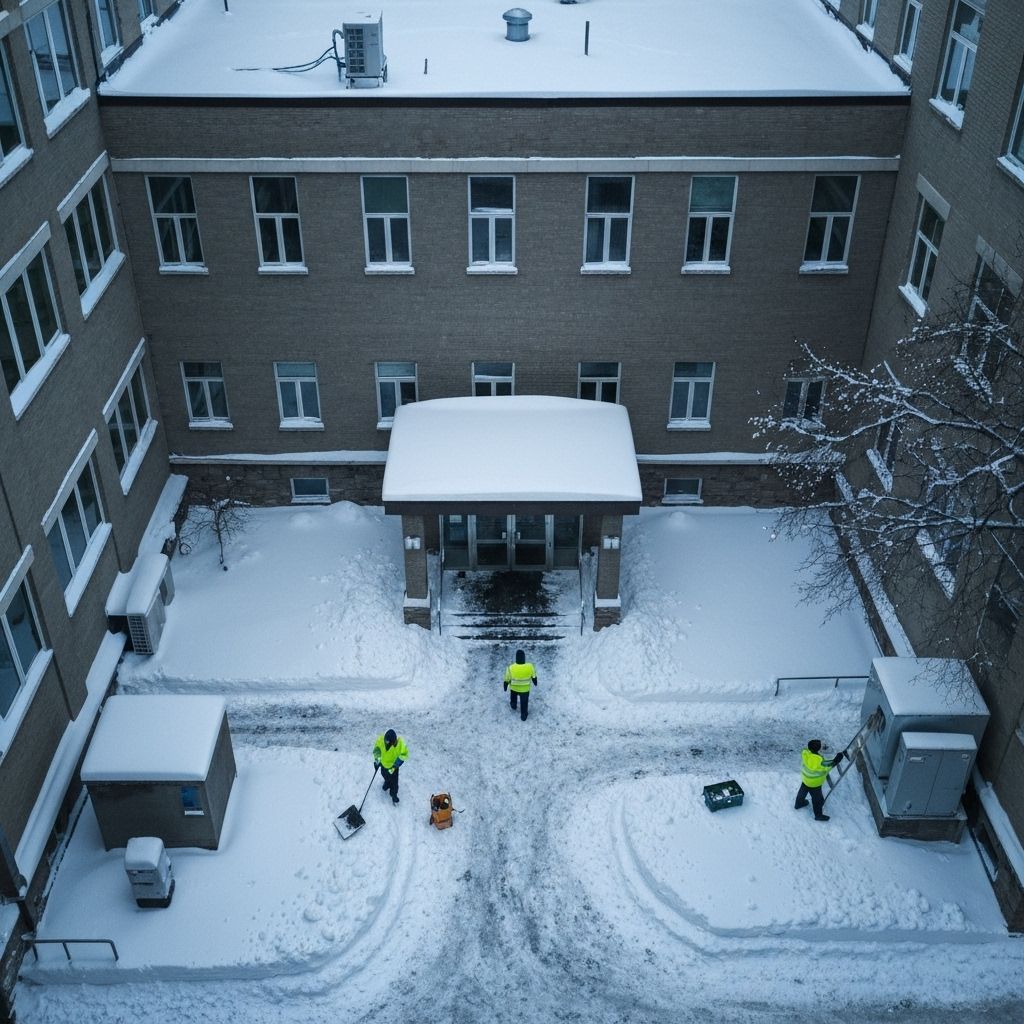
British Columbia's winter weather creates unique challenges for moisture detection and leak prevention. Understanding these seasonal factors helps building managers protect their facilities during the most vulnerable time of year.
Why Winter Increases Leak Risk
Freeze-Thaw Cycles
BC's coastal climate features frequent temperature fluctuations around freezing. Water infiltrates building materials, freezes and expands, then thaws—creating progressive damage that accelerates leak development.
Heavy Rainfall
Winter brings BC's heaviest precipitation. Roof drainage systems, building envelopes, and waterproofing systems face maximum stress during prolonged rain events.
Wind-Driven Rain
Winter storms combine rain with strong winds, driving water into building envelope details that remain dry during summer. This tests the effectiveness of flashing, sealants, and cladding systems.
Snow and Ice
While less common in coastal BC, snow accumulation and ice dams can cause significant problems when they occur. Interior BC facilities face these challenges regularly.
Common Winter Leak Scenarios
Roof Drainage Overwhelm
Leaves and debris clog drains and gutters during fall. When winter rains arrive, blocked drainage causes water backup and overflow, leading to leaks at roof edges and through roof membranes.
Prevention: Clean all roof drains, gutters, and scuppers before winter. Install drain guards to prevent debris accumulation.
Window and Door Leaks
Wind-driven rain finds weaknesses in window and door installations. Failed sealants, improper flashing, or installation defects become apparent during winter storms.
Prevention: Inspect and re-seal windows and doors in fall. Test drainage weep holes are clear.
Building Envelope Failures
Cladding systems, wall assemblies, and roof-wall transitions face maximum stress during winter weather. Small defects that cause minor problems in summer can lead to significant water intrusion in winter.
Prevention: Conduct thermal imaging surveys in fall to identify envelope weaknesses before winter weather arrives.
Pipe Freezing
Exposed pipes in unheated areas, exterior walls, or poorly insulated spaces can freeze and burst. The resulting water damage often isn't discovered until pipes thaw.
Prevention: Insulate vulnerable pipes, maintain heat in all building areas, drain seasonal systems.
Detection Challenges in Cold Weather
Thermal Imaging Limitations
Cold exterior temperatures reduce the temperature differential between wet and dry materials, making thermal imaging less effective. However, interior thermal surveys remain valuable for identifying cold air infiltration and insulation defects.
Best Practice: Conduct thermal imaging during cold, clear nights when temperature differentials are maximized. Focus on interior surveys during winter.
Moisture Meter Accuracy
Cold temperatures affect moisture meter readings. Frozen moisture doesn't register on standard meters, potentially masking problems.
Best Practice: Allow materials to warm to room temperature before testing. Use multiple testing methods for verification.
Access Challenges
Snow, ice, and cold weather make roof access dangerous. Shorter daylight hours limit inspection time.
Best Practice: Prioritize fall inspections. Use drone technology for winter roof surveys when safe access isn't possible.
Emergency Response Protocols
Active Leak Response
Winter leaks require immediate response:
- Contain water damage—buckets, tarps, temporary barriers
- Document damage with photos and notes
- Contact emergency leak detection service
- Implement temporary repairs if safe to do so
- Monitor weather forecast for additional storms
Frozen Pipe Response
- Shut off water supply to affected area
- Open faucets to relieve pressure
- Apply gentle heat—never open flame
- Check for pipe damage before restoring water
- Call professional if pipe has burst
Preventive Measures
Fall Preparation Checklist
- Clean all roof drains, gutters, and downspouts
- Inspect and repair roof membranes
- Test and seal windows and doors
- Conduct thermal imaging survey
- Insulate vulnerable pipes
- Test sump pumps and drainage systems
- Trim trees away from building
- Stock emergency supplies
Winter Monitoring
- Regular roof inspections after storms
- Monitor weather forecasts
- Check vulnerable areas during heavy rain
- Maintain heat in all building areas
- Clear snow from roof drains and vents
Technology Solutions
Water Detection Sensors
Install sensors in vulnerable areas:
- Below roof drains
- Near windows and doors
- In mechanical rooms
- Below water heaters and tanks
- In parkades and below-grade spaces
Modern sensors connect to building automation systems or send alerts to smartphones, enabling rapid response.
Continuous Monitoring Systems
For critical facilities, continuous moisture monitoring provides early warning:
- Moisture sensors embedded in building envelope
- Temperature monitoring for freeze risk
- Rainfall measurement and correlation
- Automated alerts and reporting
Insurance Considerations
Winter water damage claims are common. Protect your coverage:
- Document all preventive maintenance
- Maintain heat in all building areas
- Respond immediately to leaks
- Keep detailed records of repairs
- Review policy exclusions for winter damage
Many policies exclude damage from lack of maintenance or failure to maintain heat. Proper documentation demonstrates due diligence.
Regional Considerations
Coastal BC
Focus on heavy rain and wind-driven rain. Freeze-thaw cycles less frequent but still significant.
Interior BC
Sustained cold temperatures and snow accumulation primary concerns. Ice dams and frozen pipes more common.
Mountain Areas
Heavy snow loads and extreme temperature swings. Specialized building systems and maintenance required.
Planning for Spring
Winter damage often becomes apparent in spring:
- Schedule comprehensive building envelope inspection
- Assess winter damage and prioritize repairs
- Update maintenance procedures based on winter performance
- Plan capital improvements for next fall
BC's winter weather challenges building systems, but proactive preparation, monitoring, and rapid response minimize damage and protect building integrity. Facility managers who treat winter as a critical maintenance period, not just a season to endure, achieve the best outcomes.
Need Professional Leak Detection?
Our expert team uses advanced thermal imaging and moisture detection technology to protect your facility.