Building Envelope Failures in Schools: Warning Signs
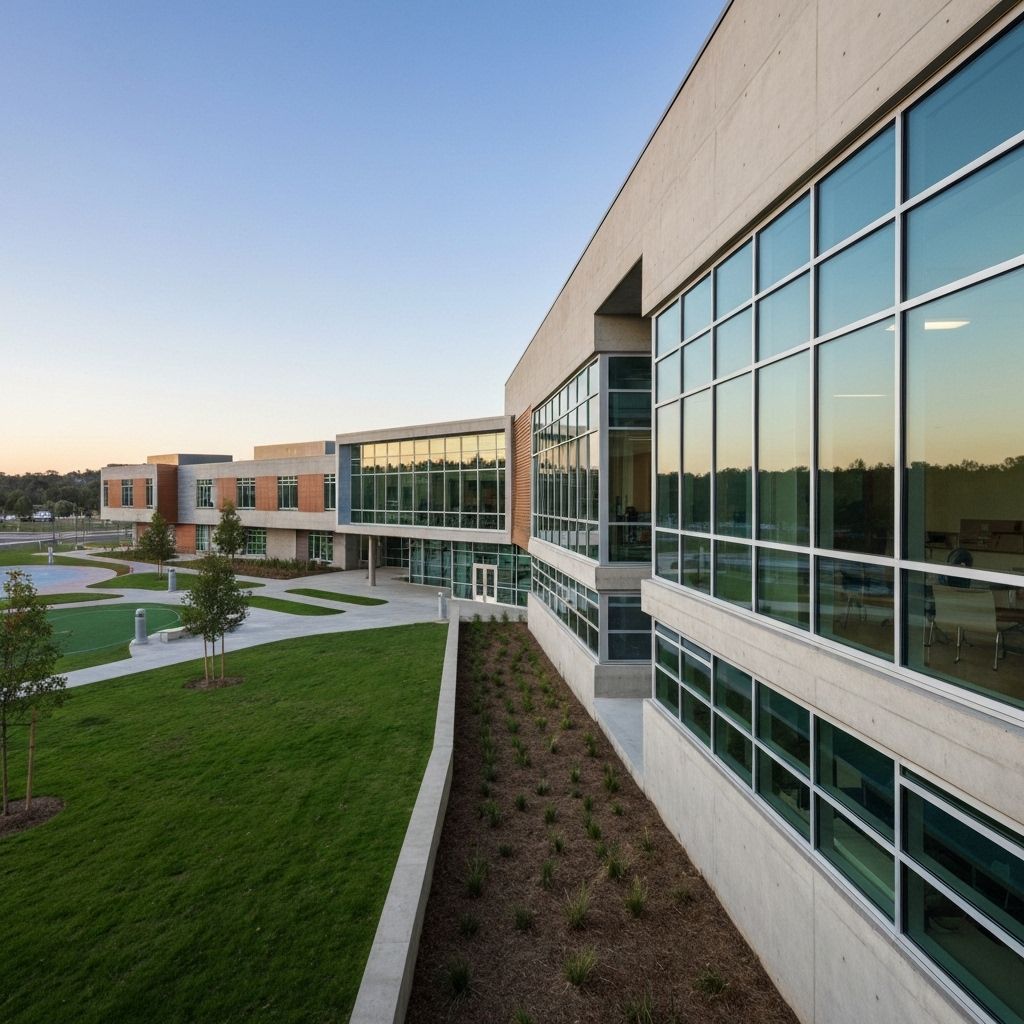
School buildings face unique challenges that make them particularly vulnerable to building envelope failures. Understanding the warning signs and implementing proactive detection can prevent costly repairs and protect the learning environment.
Why Schools Are at Higher Risk
Educational facilities experience several factors that accelerate building envelope deterioration:
High Occupancy: Schools generate significant interior moisture from hundreds of occupants, creating pressure on the building envelope to manage vapor drive.
Deferred Maintenance: Budget constraints often lead to delayed repairs, allowing small problems to become major failures.
Age: Many schools were built 30-50 years ago with building envelope systems now at or beyond their design life.
Design Issues: Schools built during certain eras may have inherent design flaws, such as inadequate flashing details or problematic cladding systems.
Common Warning Signs
Facility managers and maintenance staff should watch for these indicators of building envelope problems:
Exterior Signs
- Staining: Water stains below windows, at wall-to-roof junctions, or on cladding surfaces
- Efflorescence: White crystalline deposits on masonry indicating water movement
- Caulking Failure: Cracked, missing, or separated sealant joints
- Cladding Damage: Loose panels, cracked stucco, or deteriorating wood siding
- Window Issues: Condensation between panes, deteriorated frames, or failed seals
Interior Signs
- Ceiling Stains: Discoloration indicating water intrusion from above
- Wall Damage: Bubbling paint, soft drywall, or visible mold growth
- Musty Odors: Persistent smell indicating hidden moisture problems
- Condensation: Excessive moisture on windows or walls
- Floor Damage: Warped flooring near exterior walls
High-Risk Areas in Schools
Certain areas require extra attention:
Gymnasiums: Large roof spans and high interior moisture loads make gyms vulnerable to roof leaks and condensation problems.
Pool Areas: Extremely high humidity requires robust vapor barriers and ventilation. Pool buildings often experience accelerated deterioration.
Science Labs: Specialized ventilation and plumbing create additional penetrations through the building envelope.
Portable Classrooms: Connections between portables and main buildings are common leak points.
Flat Roofs: Many schools have large flat roof areas that are prone to ponding water and membrane failures.
The Cost of Delayed Action
Building envelope failures follow a predictable progression:
Stage 1 (Years 1-2): Minor water intrusion, minimal visible damage. Repair cost: $5,000-$20,000.
Stage 2 (Years 2-5): Insulation damage, structural wood decay begins. Repair cost: $50,000-$150,000.
Stage 3 (Years 5-10): Structural damage, mold growth, interior damage. Repair cost: $200,000-$500,000.
Stage 4 (10+ years): Major structural repairs, potential building closure. Repair cost: $1,000,000+.
Early detection and repair in Stage 1 prevents 95% of eventual costs.
Proactive Detection Methods
School districts should implement regular building envelope assessments:
Annual Visual Inspections: Systematic exterior and interior surveys by qualified professionals.
Thermal Imaging: Infrared scans identify hidden moisture and insulation defects.
Moisture Testing: Targeted invasive testing in suspect areas confirms problems.
Drone Surveys: Aerial photography and thermal imaging for large roof areas.
Developing a School Envelope Management Program
Effective programs include:
- Building envelope inventory and condition assessment
- Prioritized repair and replacement schedules
- Annual inspection protocols
- Staff training to recognize warning signs
- Emergency response procedures
- Long-term capital planning
Funding Considerations
School districts can access various funding sources for building envelope work:
- Provincial capital funding programs
- Carbon reduction grants for envelope upgrades
- Seismic mitigation programs (often include envelope work)
- Energy efficiency incentives
Proactive envelope management protects the significant public investment in school infrastructure while ensuring safe, healthy learning environments for students and staff.
Need Professional Leak Detection?
Our expert team uses advanced thermal imaging and moisture detection technology to protect your facility.