Preventing Mold in Healthcare Facilities: A Critical Guide
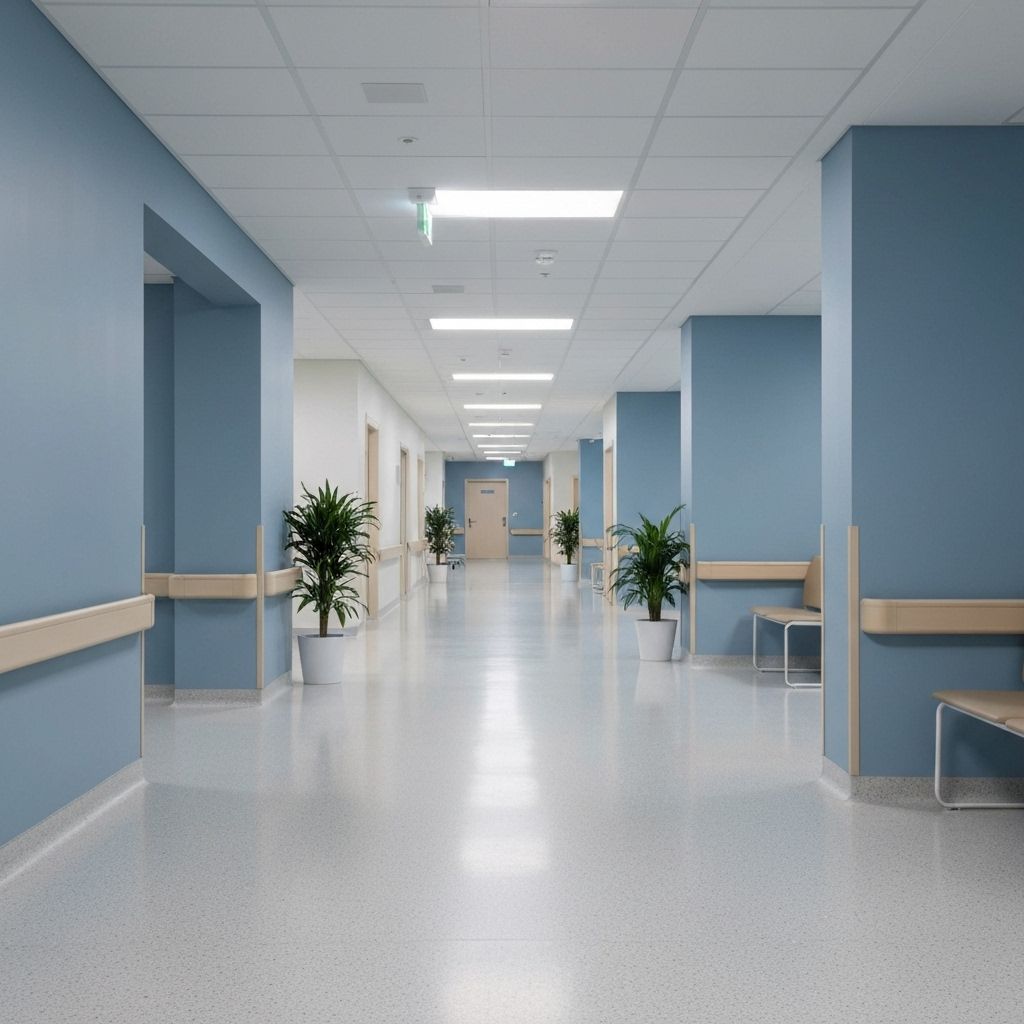
Mold in healthcare facilities poses serious risks to patient health, particularly for immunocompromised individuals. Moisture control and early leak detection are essential components of infection control and patient safety protocols.
Why Mold is Especially Dangerous in Healthcare Settings
Healthcare facilities house vulnerable populations—patients with weakened immune systems, respiratory conditions, and post-surgical recovery needs. Mold exposure can cause respiratory infections, allergic reactions, and in severe cases, invasive fungal infections that can be life-threatening.
Studies show that hospital-acquired fungal infections increase patient mortality rates, extend hospital stays, and significantly increase treatment costs. Prevention through moisture control is far more effective and economical than remediation after mold growth occurs.
Common Moisture Sources in Hospitals
Healthcare facilities face unique moisture challenges:
- HVAC Systems: High air exchange rates and humidity control systems can develop condensation problems
- Plumbing Density: Extensive plumbing for patient rooms, labs, and sterilization creates more leak opportunities
- Roof Systems: Large, flat roofs with multiple penetrations are vulnerable to water intrusion
- Building Age: Many hospitals operate in older buildings with aging infrastructure
- Continuous Operation: 24/7 operations make it difficult to identify leaks during off-hours
Regulatory Requirements
Healthcare facilities must comply with strict regulations regarding moisture and mold:
Accreditation Standards: Organizations like Accreditation Canada require documented moisture control programs and regular facility assessments.
Infection Control: Provincial health authorities mandate environmental controls to prevent healthcare-associated infections.
Building Codes: BC Building Code requirements for healthcare facilities include enhanced moisture protection measures.
Proactive Detection Strategies
Effective mold prevention requires systematic moisture detection:
Regular Thermal Imaging: Quarterly thermal scans of critical areas—operating rooms, ICUs, patient floors—identify hidden moisture before mold develops.
Moisture Monitoring: Install continuous moisture sensors in high-risk areas like mechanical rooms and below-grade spaces.
Plumbing Inspections: Annual acoustic leak detection surveys of water distribution systems catch small leaks early.
Roof Assessments: Bi-annual roof inspections with moisture mapping prevent catastrophic failures.
Response Protocols
When moisture problems are detected, rapid response is critical:
Within 24-48 hours, moisture must be dried to prevent mold growth. Healthcare facilities should have pre-established contracts with qualified moisture detection and remediation companies to ensure immediate response capability.
Affected areas may need temporary isolation, air quality testing, and clearance testing before returning to service. Documentation is essential for regulatory compliance and liability protection.
Cost-Benefit Analysis
Proactive moisture detection programs typically cost $15,000-$30,000 annually for a medium-sized hospital. Compare this to mold remediation costs:
- Small remediation project: $50,000-$100,000
- Major remediation with unit closure: $500,000-$2,000,000
- Litigation and reputation damage: Potentially millions
The return on investment for prevention is clear. More importantly, proactive programs protect patient safety and maintain the facility's reputation for quality care.
Building a Moisture Management Program
Successful programs include:
- Written policies and procedures
- Staff training and awareness
- Regular inspection schedules
- Documented response protocols
- Vendor relationships for emergency response
- Annual program review and updates
Healthcare facility managers should work with qualified moisture detection specialists to develop comprehensive programs tailored to their facility's specific risks and requirements.
Need Professional Leak Detection?
Our expert team uses advanced thermal imaging and moisture detection technology to protect your facility.